You Won’t Believe What I Ate in Bern — A Foodie’s Hidden Switzerland
When you think of Switzerland, you probably picture chocolate and cheese—but Bern? Most travelers rush to Zurich or Lucerne and miss the capital’s quiet magic. I went looking for something real, off-menu, and deeply local. What I found wasn’t just food—it was tradition, slow-cooked in Alpine air and served with pride. From tucked-away bakeries to family-run taverns no guidebook mentions, Bern’s culinary soul is hiding in plain sight. Let me take you there.
Beyond Chocolate: Bern’s Underrated Food Identity
Swiss cuisine is often reduced to two icons: chocolate and fondue. While both have their place, they only scratch the surface of what Swiss food truly offers—especially in Bern, a city shaped more by seasons than by spectacle. Unlike Zurich’s cosmopolitan dining or Lucerne’s lakeside charm, Bern’s food culture grows quietly from its roots in agriculture, dairy farming, and centuries-old preservation techniques. The city sits at the heart of the Aare Valley, where cool alpine winds and fertile soil create ideal conditions for high-quality produce, milk, and meat. This isn’t a destination built for show; it’s one built for sustenance, flavor, and tradition.
What sets Bern apart is its commitment to authenticity over accessibility. You won’t find flashy fusion restaurants or Instagrammable dessert bars on every corner. Instead, the food here reflects a way of life—one where meals are seasonal, ingredients are local, and preparation is deliberate. Dishes are passed down through generations, not invented for viral appeal. The emphasis is not on novelty but on continuity. This deep respect for heritage means that even common meals carry historical weight, connecting today’s diners to farmers, cheesemakers, and home cooks of the past.
The culinary identity of Bern is also shaped by its geography and climate. Winters are long and cold, which historically required communities to preserve food through drying, smoking, fermenting, and curing. These methods weren’t just practical—they became integral to the region’s taste profile. Smoked meats, aged cheeses, and fermented beverages like Most (a tart apple cider) remain staples. Even today, many families rely on summer harvests to stock their pantries for the year. This rhythm of preparation and preservation is still visible in local markets, home kitchens, and seasonal menus.
Yet, despite its richness, Bern’s food culture remains under the radar. Guidebooks often overlook it, and tourists frequently bypass it en route to more famous destinations. But that obscurity is part of its strength. Without the pressure of mass tourism, Bernese food has avoided commercialization. It hasn’t been watered down for foreign palates or repackaged for convenience. What you taste here is not a version of Swiss cuisine—it is Swiss cuisine, in its most grounded, honest form.
The Local Breakfast Secret: Where Bern Starts Its Day
Mornings in Bern unfold slowly, without fanfare. While cities like Paris or Vienna are known for their pastry rituals, Bern has its own quiet tradition—one centered on warmth, nourishment, and simplicity. The day begins not with croissants, but with Berner Muesli, a rich, creamy blend of rolled oats, chopped nuts, dried fruits from nearby Emmental farms, and golden honey harvested from alpine meadows. Mixed with cold milk or yogurt and left to soften overnight, this breakfast is both hearty and delicate, a perfect balance of sweetness and texture.
Locals don’t typically eat this at home alone. Many start their day at small, unmarked cafés tucked beneath the city’s famous arcades. These spots, often family-run for decades, open early and fill with shopkeepers, postal workers, and bakers—people whose days begin before sunrise. The atmosphere is calm, the conversation subdued. Orders are short: a cup of strong Swiss coffee, sometimes with a splash of milk, and a bowl of muesli. There’s no need to consult a menu; everyone knows what’s served, and no one rushes.
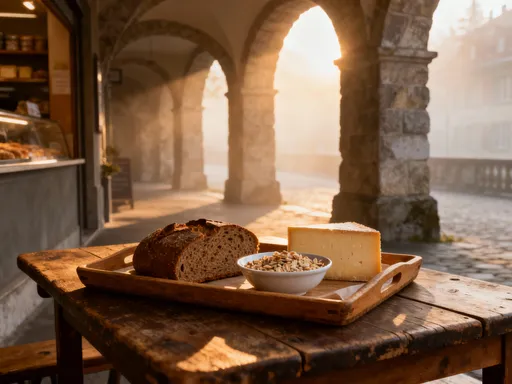
One such place, known only by its address on Kornhausplatz, has been serving the same breakfast for over sixty years. The owner, a woman in her seventies, greets regulars by name and remembers their preferences. Her kitchen uses honey from her brother’s hives and oats from a farm just outside Thun. But the real star of the morning is the rye bread—dense, dark, and baked in a wood-fired oven that’s been in use since the 1950s. Each loaf takes twelve hours to prepare, with a sourdough starter passed down through three generations. It’s served warm, with a pat of local butter that melts slowly into its crumb.
This kind of breakfast isn’t just about food—it’s about rhythm. The Bernese value consistency, quality, and quiet routine. They don’t seek excitement at the start of the day; they seek grounding. To eat like a local is to embrace that pace, to sit with your coffee a little longer, to let the flavors unfold without distraction. It’s a reminder that some of the most meaningful meals are the ones we barely notice—until we miss them.
Zähringerplatz Market: A Taste of Hidden Producers
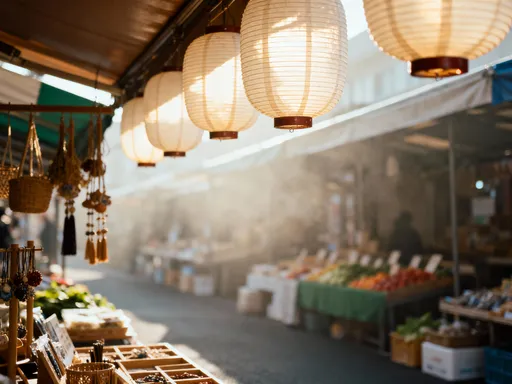
Every Saturday morning, the Zähringerplatz transforms from a quiet residential square into a vibrant hub of local life. Farmers, cheesemakers, and artisans from the surrounding countryside set up wooden stalls, filling the air with the scent of wood smoke, ripe apples, and curing meat. This is not a tourist market. There are no souvenir stands, no overpriced trinkets, and no English signage. Instead, you’ll find people with baskets and cloth bags, speaking Swiss German, carefully selecting their weekly provisions.
The heart of the market is its dairy section, where wheels of Berner Alpkäse—Alpine mountain cheese—are displayed like works of art. Made during the summer months when cows graze on high-altitude pastures, this cheese has a deep, nutty flavor and a firm texture that develops over months of aging. Each producer has their own method, often guarded within families, and the differences are subtle but distinct. Some cheeses are washed in brine, others rubbed with herbs. All are labeled with the name of the alp where they were made, a testament to the importance of terroir.
Adjacent to the cheese stands are vendors selling herbal sausages—air-dried and spiced with juniper, garlic, and mountain thyme. These are not the bright red sausages found in supermarkets; they are darker, denser, and meant to be sliced thinly and eaten with bread or pickles. One vendor, a man from the Simmental region, uses a recipe that dates back to the 1800s. He refuses to mass-produce, making only what he can cure in his small barn each season. His sausages sell out by midday, often before tourists even arrive.
Another rare find at the market is Most, a tart, lightly sparkling fermented apple drink that’s almost unknown outside central Switzerland. Made from windfall apples collected in late autumn, it’s naturally carbonated and low in alcohol—more like a rustic cider than a modern beverage. Locals drink it chilled in the summer or warmed with spices in winter. It’s tart, refreshing, and deeply tied to the region’s orchard traditions. Few bottles leave the canton, and none are exported—what’s produced is meant for neighbors, not strangers.
The Zähringerplatz market is also a place of education. Farmers are happy to explain their methods, show photos of their herds, and describe the challenges of alpine farming. They speak with pride, not salesmanship. This direct connection between producer and consumer is rare in modern food systems, yet here it remains intact. For the curious traveler, it’s a chance to taste food that hasn’t been filtered through distribution chains or marketing campaigns—it’s as close to the source as you can get.
The Forgotten Dish: Bern’s True Comfort Food
Long before fondue became Switzerland’s national dish, Bern had its own culinary emblem: Berner Platte. This is not a dish for the faint of heart. It’s a generous platter of smoked and boiled meats—pork belly, sausages, ham hock, and sometimes beef tongue—served with stewed cabbage, butter beans, and boiled potatoes. The meats are slow-cooked for hours, often starting before dawn, allowing the flavors to deepen and meld. The result is rich, smoky, and deeply satisfying—a meal built for cold days and hard work.
Berner Platte originated in the 19th century as a way for farm families to use up preserved meats after the long winter. It wasn’t meant to be elegant; it was meant to feed many with what was available. Over time, it became a symbol of resilience and resourcefulness. Today, it’s still served in a handful of traditional inns, particularly in the old town near the Nydegg Church. One such restaurant, a timber-framed building with uneven floors and candlelit tables, has been preparing Berner Platte the same way since 1847.
What makes this dish special is not just its flavor, but its revival. For years, Berner Platte was considered outdated—too heavy, too rustic, too regional. Younger generations saw it as their grandparents’ food. But in the past decade, a quiet movement has emerged. A new wave of chefs, many trained in fine dining, have begun reinterpreting the dish—not by modernizing it, but by honoring it. They source heritage-breed pork, use traditional smoking methods, and serve it with pickled vegetables made in-house. The goal isn’t to reinvent Berner Platte, but to remind people why it mattered in the first place.
Eating Berner Platte is an experience in patience and presence. The platter arrives steaming, filling the room with aroma. Portions are large, meant for sharing. There’s no rush to finish; the meal unfolds over an hour or more, accompanied by a glass of dry white wine or a mug of dark beer. Conversations slow down. Laughter comes easier. This is comfort food in the truest sense—not just because it’s filling, but because it connects people to each other and to the past.
Behind the Facade: Family Kitchens and Culinary Keepers
Some of Bern’s most memorable meals don’t appear on any menu. They happen behind closed doors, in private homes, by invitation only. These are the Küchenabende—kitchen evenings—hosted by older women who are the quiet guardians of Bernese cuisine. Word spreads quietly: a neighbor’s cousin knows someone who cooks Rüeblitorte the way it was made in the 1950s. Or a retired teacher serves Läckerli using a recipe from her great-grandmother. These gatherings are not advertised; they are discovered through trust.
I was lucky enough to attend one such evening, arranged through a local friend. The host, Frau Keller, lived in a small apartment above a bookshop in the Matte district. Her kitchen was compact but immaculate, with copper pots hanging from the ceiling and a wooden rolling pin worn smooth by decades of use. The meal began with a clear broth made from beef bones and mountain herbs, followed by a salad of radicchio, apple, and Berner Alpkäse. But the highlight was the Rüeblitorte—a carrot cake unlike any I’d tasted. The crust was crumbly and buttery, the filling moist and spiced with cinnamon and nutmeg, the top glazed with a thin layer of apricot jam.
Frau Keller explained that her recipe came from her mother, who learned it during the war years when sugar and flour were scarce. The cake was a way to make something sweet from limited ingredients. She still uses the same hand-grated carrots, the same wooden bowl, the same oven that heats unevenly but gives the crust its character. After dessert, she served Läckerli—spiced honey biscuits that keep for weeks. They were soft, aromatic, and slightly chewy, made with honey from her nephew’s bees and candied orange peel from Italy, a rare luxury she saves for special occasions.
What struck me most wasn’t just the food, but the atmosphere. There were no smartphones, no photos, no rushing. We sat at a small table, sipping tea, listening to stories about post-war Bern, about winters when the Aare froze solid, about recipes passed down through letters and memory. Language was a barrier—I spoke only a little German—but warmth transcended it. Frau Keller smiled often, corrected my pronunciation gently, and insisted I take a box of Läckerli home. In that moment, I understood that food here is more than nourishment; it’s memory, identity, and love made tangible.
From Farm to Fork: How Geography Shapes Taste
To understand Bernese cuisine, you must leave the city. Just an hour’s drive into the hills, the landscape shifts dramatically. Green pastures climb steep slopes, dotted with grazing cows and wooden chalets. This is where the flavor of Bern begins—not in restaurants, but in the alpine meadows where cows feed on wild herbs, clover, and fresh grass. The milk they produce is richer, creamier, and more aromatic than lowland dairy. From this milk comes Berner Alpkäse, butter, and yogurt—foods that carry the essence of the mountains.
I visited one such alp during the summer months, when herders move their animals to high pastures for the season. The cheesemaker, a man named Hans, lives in a small cabin with no electricity, relying on wood stoves and spring water. Each morning, he milks the cows by hand, then heats the milk in a copper vat over an open fire. The process is slow, precise, and entirely dependent on weather, temperature, and instinct. He doesn’t measure; he watches, smells, and feels the curds. After pressing and salting, the cheese wheels are stored in a cool stone cellar, where they age for months.
This connection between land and food is inseparable. The cold, clean rivers feed the pastures. The long winters require preservation. The high altitude affects fermentation, drying, and smoking times. Even the bread in Bern is denser than elsewhere, thanks to the cold climate, which slows yeast activity and creates a tighter crumb. Every element of the environment shapes the final dish. There is no separation between geography and gastronomy—they are one and the same.
Back in the city, this terroir is honored in subtle ways. Restaurants list the names of farms on their menus. Bakeries specify which valley their rye comes from. Even home cooks take pride in knowing their sources. This isn’t a trend; it’s a tradition. In Bern, eating locally isn’t a choice—it’s a way of life, rooted in respect for the land and those who work it.
Eating Like a Local: Practical Tips for the Curious Traveler
Exploring Bern’s food culture requires more than a map—it requires mindset. The city rewards patience, humility, and a willingness to engage on local terms. To eat like a Bernese, start by learning a few phrases in Swiss German. A simple “Grüezi” (hello) or “Vielen Dank” (thank you) goes a long way. Locals appreciate the effort, even if your accent is imperfect.
Visit during the shoulder seasons—late spring or early autumn. The city is quieter, the air crisp, and the markets full of seasonal produce. Avoid the area around the main train station, where tourist-oriented restaurants serve generic Swiss dishes at inflated prices. Instead, walk into the old town, follow the arcades, and look for places with handwritten menus in German. If a restaurant has no website or English menu, it’s often a good sign.
Don’t expect to be seated immediately. Many family-run spots don’t take reservations, and lunch service often begins at 11:30 a.m. sharp. Arrive early, be polite, and accept that some doors open only with time. If you’re invited to a home, accept graciously. Bring a small gift—flowers, chocolates, or a bottle of wine—and be prepared to stay longer than expected. In Bern, meals are not transactions; they are relationships.
Ask questions, but don’t demand. Farmers at the market will gladly explain their cheese, but they won’t perform for cameras. Respect their work, buy what you can use, and return if you enjoyed it. Most importantly, slow down. Eat without distraction. Savor each bite. Let the flavors tell their story. True culinary discovery isn’t about ticking boxes—it’s about presence, connection, and the quiet joy of being fed by a place that doesn’t need to impress you.
The Quiet Feast
Bern does not announce its treasures. Its beauty is in the details—the curve of a cobblestone street, the chime of the Zytglogge, the warmth of a wood-fired oven. Its food is the same: understated, honest, and deeply rooted. There are no celebrity chefs, no Michelin stars, no viral dishes. What exists instead is something rarer—a living tradition, preserved not for show, but because it matters.
In a world obsessed with novelty, Bern’s cuisine is a quiet rebellion. It asks nothing of you but attention. It offers not spectacle, but substance. To eat here is to participate in a rhythm older than tourism, shaped by seasons, soil, and generations of care. The most meaningful meals aren’t found on trending lists—they’re earned through patience, respect, and the willingness to listen.
So come to Bern not for what you’ve heard, but for what you might discover. Let a baker hand you a warm loaf. Let a farmer describe his cheese. Let an elderly woman serve you cake in her kitchen. These are not performances. They are invitations. And in each bite, you’ll taste not just flavor, but history, heart, and the quiet pride of a city that feeds its people—and its visitors—on its own terms.