Off the Beaten Path in Arusha: Where Culture Comes Alive
Nestled at the foot of Mount Meru, Arusha is more than just a gateway to Tanzania’s famous safari parks. Few travelers realize that this vibrant city pulses with authentic cultural energy, from Maasai market encounters to hidden community walks. I was surprised by how deeply human the experience felt—real connections, real stories. This isn’t just travel; it’s a quiet immersion into East African life, far from tourist crowds. While many pass through with eyes set on the Serengeti or Ngorongoro, Arusha offers something equally majestic but less photographed: the rhythm of everyday life, where tradition and modernity coexist in harmony. For those willing to pause, this city reveals layers of culture, warmth, and resilience that no game drive can replicate.
Why Arusha Deserves More Than a Layover
Arusha is often reduced to a transit hub—a place to rest before or after a safari. Yet this bustling city, situated just a few hours from some of Africa’s most iconic wildlife reserves, holds cultural significance that rivals its natural neighbors. With a population exceeding 600,000, Arusha is a melting pot of ethnic groups, including the Maasai, Meru, Chaga, and Haya, each contributing to the city’s rich social fabric. Its location at the base of Mount Meru, Tanzania’s second-highest peak, anchors it in both geography and spirit. Despite this, tourism statistics show that over 70% of international visitors spend fewer than 24 hours in the city, treating it as little more than a logistical stop.
What these travelers miss is the opportunity for slow, intentional engagement. Arusha is not merely a backdrop to grander adventures; it is a living, breathing cultural center. The city hosts regional government offices, international NGOs, and diplomatic missions, making it a crossroads of ideas and influence. But beyond its administrative role, Arusha thrives as a place where traditions are preserved and adapted. From the vibrant red shukas worn by Maasai herders in the outskirts to the morning call to prayer echoing from local mosques, the city pulses with diverse rhythms. For the mindful traveler, this is not a place to rush through, but to settle into.
Choosing to spend time in Arusha means embracing a different kind of journey—one defined not by checklists, but by connection. It means stepping away from the safari vehicle and into the marketplace, the neighborhood street, the family-run coffee farm. It means understanding that culture is not a performance, but a way of life. By repositioning Arusha from a transit point to a destination in its own right, travelers gain access to a more complete picture of Tanzanian society. The city invites a deeper form of tourism, one rooted in respect, curiosity, and presence.
The Heartbeat of the Local Market: Arusha Central and Beyond
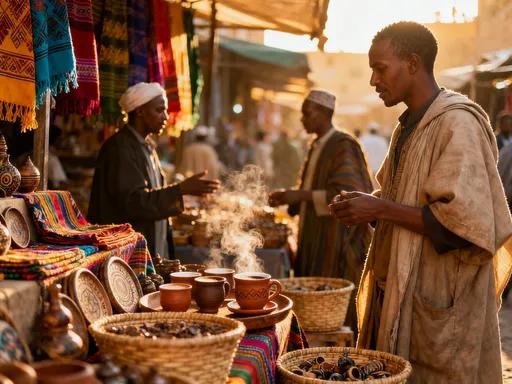
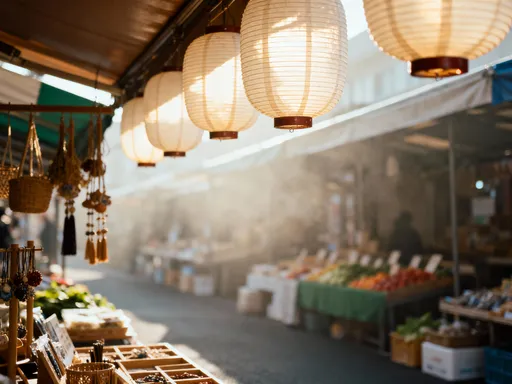
If Arusha has a soul, it beats loudest in its markets. The Arusha Central Market, locally known as Soko Kuu, is a sensory explosion of color, sound, and scent. Rows of pyramids made from ripe mangoes, pineapples, and passionfruit greet visitors at the entrance, their golden and crimson hues glowing under the East African sun. The air carries the earthy aroma of fresh vegetables, the sharp tang of chili, and the sweet perfume of blooming jasmine sold in small bunches. Vendors call out in Swahili and Maasai, their voices weaving through the hum of haggling, laughter, and the occasional honk of a delivery motorbike navigating the narrow aisles.
This is not a market staged for tourists. Here, daily life unfolds in real time. Women in colorful kanga wraps balance baskets of plantains on their heads, while elders inspect bundles of fresh sukuma wiki, a leafy green central to Tanzanian cuisine. The fabric stalls offer endless rolls of kitenge and kanga, each pattern carrying proverbs or messages—some humorous, some heartfelt. One reads, "Moyo ni mmoja," meaning "The heart is one," a subtle reminder of unity and compassion. Observing these exchanges, one begins to see the market not just as a place of commerce, but as a social institution where relationships are built and community is sustained.
For a more intimate experience, smaller markets like Sakina or Kaloleni offer quieter but equally authentic glimpses into local life. These neighborhood hubs serve residents rather than tourists, making them ideal for respectful observation and engagement. Travelers are advised to visit in the morning, when produce is freshest and the heat is manageable. Carrying small bills in Tanzanian shillings, a reusable bag, and a smile goes a long way. It’s important to ask before taking photographs and to engage vendors with courtesy—many appreciate simple greetings like "Habari" or "Jambo." When done with care, a market visit becomes more than a shopping trip; it becomes a lesson in dignity, resourcefulness, and the quiet pride of self-reliance.
Meeting the Maasai: Beyond the Tourist Performances
The Maasai people are among the most recognized cultural groups in East Africa, often portrayed in travel brochures in full traditional regalia. Yet for many visitors, interactions remain superficial—brief photo ops at roadside stops or staged dances at commercial villages. While these experiences may offer a glimpse, they often lack depth and authenticity. A more meaningful way to engage with Maasai culture is through community-led initiatives that prioritize mutual respect and long-term benefit.
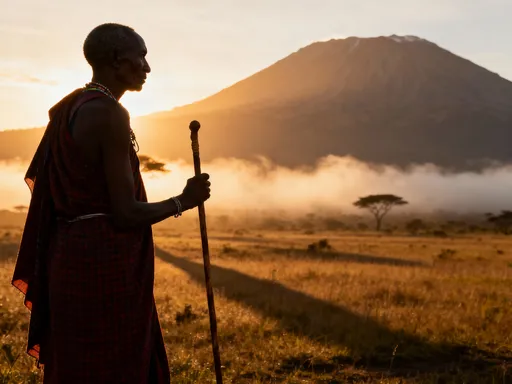
In the villages surrounding Arusha, several grassroots organizations offer guided visits that go beyond performance. These programs, run by Maasai elders and youth leaders, invite guests to participate in daily activities such as storytelling around the fire, learning traditional beadwork, or walking with herders as they guide cattle to grazing lands. One such morning, I joined a small group at dawn near the foothills of Mount Meru. The air was crisp, the sky streaked with soft pinks and golds. An elder named Lempaka welcomed us with a blessing in Maa, then shared stories of his childhood—how he learned to track animals, the importance of cattle in Maasai life, and the challenges of preserving traditions in a changing world.
What made this moment powerful was its simplicity. There were no scripts, no staged dances. Just conversation, tea brewed over an open fire, and the occasional laugh as we struggled to string beads into intricate patterns. These interactions are not only enriching for visitors but also vital for the communities. Many programs reinvest income into local schools, healthcare, and conservation efforts, such as protecting water sources and managing grazing lands sustainably. By choosing ethical experiences, travelers support cultural preservation rather than commodification. The Maasai do not need to be "exoticized" to be valued; their way of life holds wisdom worth listening to, especially in an era of rapid urbanization and environmental change.
Walking Through Heritage: Neighborhoods with Stories
While Arusha’s markets and Maasai villages draw attention, its residential neighborhoods offer another layer of cultural insight. Areas like Usa River, Kaloleni, and Moshono are not typically found on tourist maps, yet they reveal the everyday reality of urban Tanzanian life. Guided walking tours through these neighborhoods, often led by local residents, provide a window into the city’s history, architecture, and community values.
In Kaloleni, one can see remnants of German and British colonial architecture—low-slung buildings with corrugated roofs, arched doorways, and faded pastel walls. Many of these structures now house small businesses: tailors, barbershops, and tea stalls where men gather in the late afternoon to sip spiced chai and discuss the day’s news. In Moshono, the pace slows further. Tree-lined streets lead to family compounds surrounded by banana trees and flowering hibiscus. Children wave from doorways, and women balance buckets of water on their heads after returning from communal taps.
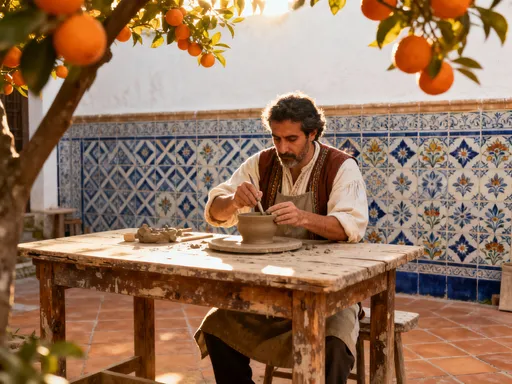
These walks are not about sightseeing in the traditional sense. They are about presence—about noticing how people live, what they value, and how they adapt. Some tours include visits to local artisans, such as woodcarvers or weavers, who demonstrate their craft and share its cultural significance. Others stop at neighborhood churches or mosques, where travelers may be invited to observe a service or simply exchange greetings. Safety is generally good in these areas, especially when visiting with a guide, and most residents are welcoming to respectful guests. Accessibility varies—some paths are unpaved—but the experience is worth the slight inconvenience. Walking through Arusha’s neighborhoods reminds us that culture is not confined to museums or performances; it lives in the way people greet each other, prepare meals, and raise their children.
Taste as a Cultural Gateway: Coffee, Spice, and Street Food
In Arusha, food is more than sustenance—it is an expression of identity, hospitality, and history. The region’s fertile volcanic soil produces some of Tanzania’s finest coffee, grown on small farms around Mount Meru and the Arusha highlands. Visitors can tour these farms, meet the farmers, and learn how beans are handpicked, sun-dried, and roasted. Coffee tasting sessions, often held under shaded verandas, offer a chance to appreciate the subtle flavors—floral, citrusy, sometimes chocolatey—that distinguish Arusha’s brews.
But the culinary journey extends far beyond coffee. The city’s spice markets brim with cumin, cardamom, turmeric, and cloves—ingredients that form the backbone of Swahili cuisine. Some community programs, led by women’s cooperatives, offer cooking demonstrations where guests learn to prepare dishes like pilau (spiced rice), mchicha (spinach stew), and kachumbari (a fresh tomato and onion salad). These sessions are as much about sharing knowledge as they are about feeding the body. Participants often sit together on low stools, eating with their right hands—a traditional practice that fosters intimacy and mindfulness.
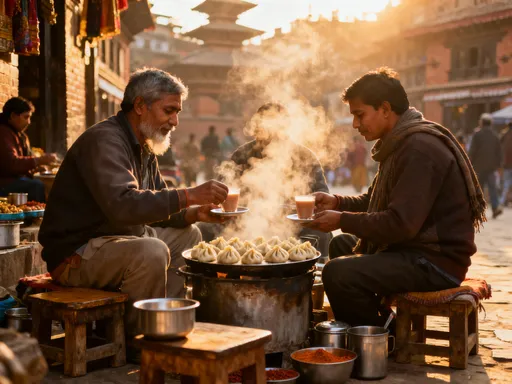
Street food offers another delicious entry point. At dusk, small grills appear along the roadsides, where vendors serve mshikaki (marinated beef skewers), samosas, and roasted maize. Nyama choma, grilled meat usually goat or beef, is a favorite, often shared among friends with a side of ugali, a dense cornmeal porridge. Eating in Arusha is rarely a solitary act. Meals are communal, a time to connect and celebrate. Even a simple cup of chai from a roadside stall comes with a smile and a greeting. For travelers, embracing local food is one of the most direct ways to experience Tanzanian warmth. It requires openness—to new flavors, to shared plates, to the joy of eating slowly and together.
Arts, Music, and the Rhythm of Daily Life
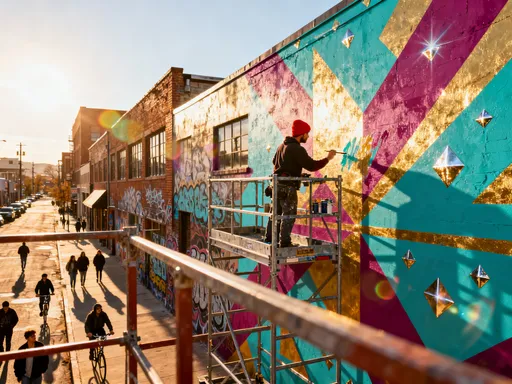
Culture in Arusha is not confined to markets or homes—it spills into the streets, galleries, and gathering spaces through art and music. The city has a growing creative scene, with galleries showcasing the vibrant colors of Tingatinga paintings—bold, narrative artworks named after their founder, Edward Saidi Tingatinga. These pieces often depict animals, village scenes, or spiritual motifs, rendered in flat planes of bright acrylic. Local artists sell their work in small studios or cultural centers, where visitors can watch them paint and learn about their inspirations.
Music, too, is woven into the fabric of daily life. In cafés around town, the soulful melodies of taarab—a blend of Swahili lyrics, Arabic instrumentation, and Indian rhythms—drift through open windows. On weekends, Afro-pop and bongo flava (Tanzanian hip-hop) fill community halls, where youth dance troupes perform with infectious energy. Some cultural centers host regular events where travelers are encouraged to join in—clapping along to drum circles, trying a few dance steps, or simply listening to poetry in Swahili.
These moments of spontaneous participation are often the most memorable. I recall one evening at a small cultural venue in Usa River, where a group of local musicians invited us to sit in a circle. There were no microphones, no stage—just guitars, a djembe, and voices raised in harmony. As the music built, a few of us began to sway, then dance. No one judged the awkward steps; laughter was part of the rhythm. Such experiences remind us that culture is not something to be observed from a distance, but lived. They break down barriers, creating space for genuine connection. In a world that often feels fragmented, these shared moments of creativity offer a quiet kind of healing.
How to Travel Responsibly and Deeply in Arusha
Traveling in Arusha offers profound rewards, but with them comes responsibility. The goal should not be to collect experiences like souvenirs, but to engage with humility and care. One of the most impactful choices a visitor can make is to hire local guides—individuals who know the city intimately and can provide context that enriches every encounter. These guides are often trained through community-based tourism initiatives that ensure fair wages and reinvestment into local projects.
Supporting community-led enterprises—whether a women’s cooking collective, a youth art program, or a Maasai beadwork cooperative—ensures that tourism benefits those who live here. It’s also essential to avoid "poverty tourism," where visitors gawk at hardship without contributing meaningfully. Instead, focus on exchanges that honor dignity and agency. Ask permission before taking photos, listen more than you speak, and be mindful of cultural norms, such as dressing modestly in residential areas.
Perhaps the most valuable tool for deep travel is time. Rather than rushing from one site to the next, consider spending a full day in a single neighborhood. Sit at a tea stall, return to the same market vendor, strike up conversations. These small acts build trust and open doors to richer experiences. Over time, the city reveals itself not as a checklist, but as a living story. And in that story, travelers are not just observers, but participants.
Arusha challenges the notion that East Africa’s value lies only in its wildlife. While the Serengeti and Ngorongoro are undeniably magnificent, the true heart of the region beats in its people. In Arusha, culture is not preserved behind glass—it is lived, shared, and evolving. To visit with intention is to witness resilience, creativity, and generosity in action. It is to remember that the most meaningful journeys are not measured in miles, but in moments of connection. For the thoughtful traveler, Arusha is not a detour. It is the destination.