You Won’t Believe How Slow Travel in Cappadocia Changed My Soul
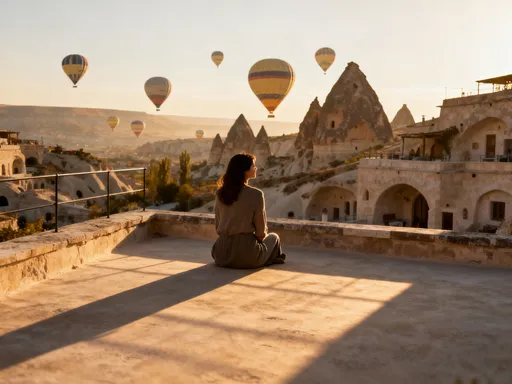
Have you ever felt like your vacations leave you more tired than relaxed? I did—until I discovered the magic of slow travel in Cappadocia. Waking up in a cave suite, sipping tea as hot air balloons drifted overhead, I finally understood what peace felt like. This isn’t just a trip; it’s a reset button for your spirit. Let me take you through the hidden retreats and quiet moments that made Turkey’s fairy-tale landscape my sanctuary.
Why Cappadocia? The Allure of Slowing Down
Cappadocia, nestled in the heart of central Anatolia, is a place where time seems to bend. Its surreal terrain—carved by volcanic eruptions millions of years ago and shaped by wind and water—creates a landscape unlike any other. Towering fairy chimneys, honeycombed cliffs, and hidden valleys invite not just exploration, but contemplation. This is not a destination designed for ticking off checklists; it’s a region that asks you to pause, breathe, and simply be. The rhythm of life here is soft, unhurried, and deeply connected to the earth, making it one of the most natural settings for slow travel in the world.
What makes Cappadocia particularly suited to mindful travel is its inherent sense of isolation and timelessness. Unlike bustling coastal resorts or urban tourist hubs, this region feels removed from the modern rush. Roads wind through rocky outcrops rather than skyscrapers, and the horizon is dotted with ancient cave dwellings rather than billboards. The pace adjusts the moment you arrive. There are no traffic jams, few streetlights, and a noticeable absence of digital noise. Instead, mornings begin with the glow of sunrise on stone spires and end with the quiet clinking of tea glasses on terraces.
Globally, travelers are increasingly seeking experiences that prioritize presence over productivity. Studies show a rising interest in wellness tourism and regenerative travel—forms of tourism that emphasize emotional renewal, personal reflection, and environmental harmony. Cappadocia aligns perfectly with this shift. It doesn’t offer adrenaline-pumping attractions or overcrowded landmarks. Instead, it provides space—physical and mental—for introspection. Whether watching a sunrise from a silent valley or sipping herbal tea in a centuries-old courtyard, visitors often report feeling a deep sense of calm, as if the land itself is helping them exhale.
The cultural heritage of the region further enhances this atmosphere. Once home to early Christian communities who carved monasteries and refuges into the soft rock, Cappadocia carries a spiritual weight. Ancient frescoes, hidden churches, and underground cities speak of lives lived with purpose and patience. These historical layers don’t just add depth to the landscape—they offer a quiet invitation to consider one’s own pace, values, and connection to place. In choosing Cappadocia, travelers aren’t just selecting a destination. They’re choosing a different way of moving through the world.
Arrival with Intention: First Impressions That Set the Pace
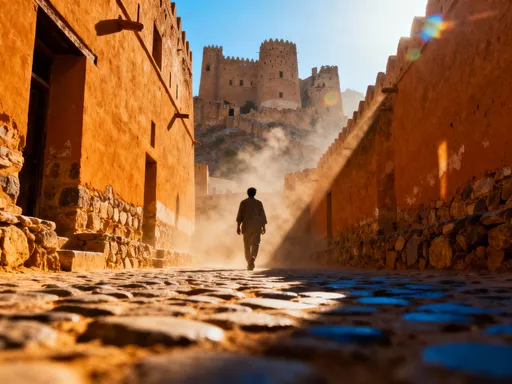
Stepping off the shuttle bus in Göreme, the first thing you notice is the light. It’s not the harsh glare of a city under sun-baked concrete, but a warm, golden glow that softens the edges of the rock formations. Dust swirls gently in the air, catching the afternoon sun like fine powder. The streets are narrow, unpaved in parts, and lined with stone houses whose doors look as if they’ve stood for centuries. There’s no honking, no rush. Just the low murmur of conversation in Turkish and the occasional clop of a donkey’s hooves on cobblestone.
Your senses awaken slowly. The scent of simit—sesame-crusted bread rings—drifts from a small bakery tucked into an alley. Nearby, a vendor arranges trays of dried figs and apricots under a faded awning. Children ride bicycles with wobbly confidence down the lane, and an elderly man sits outside his home, sipping tea from a tulip-shaped glass. Everything feels grounded, authentic, and unhurried. This is not a place that demands performance. It welcomes you exactly as you are.
Even the way people move here suggests a different relationship with time. Locals walk with a steady, unhurried gait. Shopkeepers don’t rush to make a sale; instead, they offer tea and conversation. At a small grocery, the owner might pause to cut you a slice of watermelon, insisting you taste the day’s harvest. These small gestures aren’t just hospitality—they’re reflections of a culture that values connection over convenience, presence over productivity.
Within minutes of arrival, your body begins to adjust. The constant hum of urban stress—the mental checklist, the need to optimize every moment—starts to fade. There’s no Wi-Fi in many guesthouses, not as a flaw, but as a feature. Electricity is reliable, but screens are not the center of attention. Instead, the world outside the window becomes the main attraction: a valley painted in rose and ochre, a flock of birds circling above a cave entrance, the slow drift of a single hot air balloon in the distance. From the very beginning, Cappadocia signals that this journey is not about doing, but about being.
Sanctuaries to Stay: Cave Hotels That Feel Like Hugs
One of the most transformative aspects of a stay in Cappadocia is where you rest your head at night. Far from impersonal chain hotels, the region is renowned for its cave accommodations—centuries-old dwellings carved directly into the soft tuff stone, now lovingly restored into intimate guesthouses, boutique pensions, and family-run inns. These are not novelty stays designed for Instagram; they are living spaces that breathe with the land, offering a unique blend of history, comfort, and quiet luxury.
Walking into a cave room feels like stepping into another world. The thick stone walls, often more than two feet deep, naturally regulate temperature—cool in summer, warm in winter. There’s a hush that settles over the space, as if the rock absorbs sound and stress alike. Exposed rock arches frame the bed, and small niches in the wall serve as shelves or candle holders. Lighting is soft, often from wrought-iron lanterns or warm LED bulbs hidden in alcoves. The air carries a faint, earthy scent—like damp stone after rain—but it’s not unpleasant. It’s grounding, like the smell of a forest floor.
Many of these cave suites open onto private terraces with unobstructed views of the valley. Waking up to watch the sunrise paint the fairy chimneys in shades of pink and gold becomes a daily ritual. Some guesthouses offer outdoor baths carved from stone, where you can soak under the stars with a cup of mint tea. Others feature rooftop gardens where breakfast is served on hand-painted ceramic plates, with honey harvested from local hives and jams made by the owner’s mother.
What makes these stays truly special is the sense of continuity they offer. You’re not just visiting history—you’re sleeping inside it. The same rocks that sheltered monks, farmers, and families for generations now cradle you in quiet comfort. There’s a deep psychological effect in knowing you’re part of a long human story, one that unfolded slowly, season by season. These spaces don’t just shelter the body; they nurture the soul, encouraging stillness, reflection, and a reconnection to something ancient and enduring.
Morning Rituals: How Days Begin Differently Here
In Cappadocia, mornings unfold not with alarm clocks, but with light. The sun rises over the eastern ridge, casting long shadows across the valley. If you’re awake early enough, you’ll see the first hot air balloons lift off in silence, their burners flaring like distant stars. They float upward one by one, their colorful envelopes catching the dawn, casting slow-moving shadows over the rock spires below. This daily spectacle isn’t just a tourist attraction—it’s a meditation in motion.
Many visitors set their alarms to catch the balloon flight, but the real magic happens afterward, when the crowds disperse and the valley returns to stillness. That’s when the true rhythm of the day begins. You might wrap yourself in a woolen shawl and step onto your terrace with a cup of strong Turkish tea. No need to rush. No itinerary waits. Just the quiet hum of birds, the rustle of leaves, and the occasional distant call of a shepherd guiding his flock.
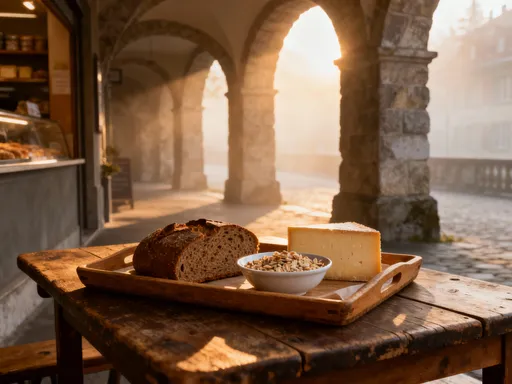
Breakfast in Cappadocia is not a quick bite. It’s an event—a slow, generous spread laid out on sunlit patios or in vaulted dining rooms. A typical meal includes fresh-baked bread, creamy beyaz peynir (white cheese), olives, tomatoes, cucumbers, and homemade jams. But the star is often the honey, thick and golden, served with clotted cream known as kaymak. Eating slowly, savoring each bite, becomes an act of mindfulness. You notice the texture of the bread, the tang of the cheese, the sweetness of the fig jam. Time stretches. Conversation flows. The mind quiets.
These unhurried mornings do more than nourish the body—they reshape the nervous system. After days of rushing through life, this kind of slowness can feel almost radical. But it’s also deeply healing. Research in behavioral psychology suggests that consistent morning routines grounded in presence—such as mindful eating or quiet observation—can reduce anxiety and improve emotional regulation. In Cappadocia, these practices aren’t taught in workshops; they’re woven into the fabric of daily life. By the third or fourth morning, you may find yourself waking earlier not out of obligation, but out of desire—to witness the light, to taste the tea, to simply be.
Hidden Courtyards & Quiet Corners: Leisure Spots Off the Beaten Path
While the main viewpoints in Göreme and Üçhisar draw crowds at sunrise, the true soul of Cappadocia reveals itself in its quieter corners. Just beyond the main trails, tucked into side alleys or nestled in the folds of the hills, are hidden courtyards, family-run tea gardens, and shaded nooks where time seems to stop. These are the places locals go to rest, read, or share quiet conversations over tea. They are not marked on most maps, but they are essential to the slow travel experience.
In Ortahisar, a small village known for its towering rock citadel, you’ll find stone courtyards shaded by grapevines. Wooden benches line the walls, and ceramic cups of apple tea appear without fanfare. An old man might be reading a newspaper in the corner, or a grandmother tending to potted herbs. There’s no pressure to order more, no timer on your seat. You can sit for an hour or three, reading a book, sketching the rock formations, or simply watching the light shift across the stone.
Other hidden spots include small family-run cafés in less-visited valleys like Love Valley or Sword Valley. These are not designed for mass tourism. The tables are mismatched, the chairs slightly wobbly, and the menu consists of tea, homemade pastries, and perhaps a simple lentil soup. But the views are extraordinary—panoramic vistas with no railings, no crowds, just nature in its raw beauty. These places invite you to linger, to put your phone away, to engage with the moment.
Finding these pockets of peace requires a willingness to wander without a destination. Instead of following the guided tour routes, try turning down a side path, following a donkey trail, or asking a local shopkeeper, “Where do you go to rest?” More often than not, they’ll point you to a quiet garden or a rooftop terrace with a view. These spontaneous discoveries become some of the most cherished memories—not because they’re Instagrammable, but because they feel real, unscripted, and deeply personal.
Walking the Valleys: Hiking as Meditation
One of the most profound ways to experience Cappadocia is on foot. The region’s network of hiking trails—particularly in the Red Valley and Rose Valley—offers more than scenic views. It provides a moving meditation, a chance to align breath, step, and attention with the rhythm of the land. These trails are not designed for speed. They wind gently through canyons, climb modest inclines, and open into panoramic clearings perfect for pausing, reflecting, and simply breathing.
The Red Valley, named for the iron oxide that stains its cliffs in deep rust hues, begins with a soft ascent through narrow passageways flanked by towering rock columns. The path is well-marked but never crowded. Every few minutes, a natural bench—carved by erosion or placed by a thoughtful hand—invites you to sit. From these vantage points, you can see for miles: valleys folding into one another, ancient cave homes clinging to cliffs, and dovecotes carved into stone faces. These small white markings, once used by farmers to collect pigeon droppings as fertilizer, now look like delicate lace etched into the rock.
Walking slowly allows you to notice what you’d miss at a faster pace. A cluster of wild thyme grows between stones, releasing its scent when brushed by your foot. Lizards dart across sun-warmed rocks. A kestrel hovers in the wind, scanning the ground below. Birdsong echoes off the canyon walls. These details don’t shout for attention—they whisper. And only in slowness do we learn to listen.
The trail design itself supports mindfulness. There are no steep drops or technical challenges—just a gentle progression that encourages presence. You’re not racing to the end; you’re savoring the journey. Many visitors report that these walks become some of the clearest moments of their trip—times when solutions to long-standing problems emerge, or when a sense of inner calm settles like dust after a storm. In a world that glorifies busyness, walking through Cappadocia’s valleys feels like a quiet rebellion—a reclaiming of time, attention, and peace.
Savoring the Moment: Cafés and Hammams That Invite Lingering
In Cappadocia, even the simplest moments are elevated into experiences. Local cafés, often tucked into cave rooms or shaded courtyards, are designed not for quick coffee runs, but for long afternoons of conversation, reading, or quiet reflection. Low wooden tables sit on handwoven kilim rugs. Cushions invite you to sit cross-legged. The menu is short: mint tea, apple tea, perhaps a slice of walnut cake or a savory börek. There’s no rush. No one clears your table. Time is not measured in turnover, but in shared moments.
These spaces often double as community hubs. You might find locals playing backgammon, children drawing with crayons on newspaper, or travelers exchanging stories from the road. Some cafés offer board games or books in multiple languages. Others have small libraries or art displays featuring local painters. The atmosphere is warm, inclusive, and unhurried—a reminder that connection doesn’t require grand gestures, just presence.
Equally transformative are the traditional hammams—Turkish bathhouses that date back centuries. Unlike modern spas that focus on efficiency, a hammam visit in Cappadocia is a ritual of warmth, silence, and renewal. You enter a domed stone room, heated by a central marble slab. Attendants gently scrub your skin with a coarse glove, then rinse you with warm water from a copper bowl. There’s no talking, no phones, no distractions. Just the sound of water and breath. Many women describe the experience as deeply soothing, a rare moment of complete surrender.
These spaces teach a valuable lesson: true leisure is not about luxury, but about duration. It’s not the price of the hotel or the exclusivity of the view that matters most. It’s the ability to stay, to linger, to let time expand. In Cappadocia, you begin to measure the richness of travel not by how many sights you’ve seen, but by how many moments you’ve truly felt.
Conclusion: Carrying Cappadocia’s Calm Into Everyday Life
Leaving Cappadocia is never easy. As the shuttle pulls away from Göreme, you might find yourself looking back at the fairy chimneys, now bathed in evening light, as if trying to memorize their shape. But the real gift of this place isn’t just the memory—it’s the shift in perspective. Slow travel here doesn’t just change how you see a destination; it changes how you see yourself.
The rhythms of Cappadocia—its quiet mornings, unhurried meals, meditative walks, and spaces designed for stillness—offer a powerful counterpoint to modern life. They remind us that time is not just something to manage, but something to inhabit. That presence, not productivity, is the foundation of well-being. And that true rest is not passive, but an active choice to be where you are.
You don’t need to live in a cave or watch hot air balloons every day to carry this peace forward. Small habits can echo the spirit of Cappadocia: sipping tea without distraction, taking a slow walk without headphones, creating a quiet corner at home where screens are not allowed. These practices are not escapes from life—they are invitations to live more fully.
In the end, the most transformative journeys are not measured in miles, but in moments of clarity, calm, and connection. Cappadocia doesn’t just offer a vacation. It offers a vision of a different way to be—one step, one breath, one sunrise at a time. And perhaps, that’s the greatest souvenir of all.