Beyond the Glamour: Unseen Natural Wonders of Monte Carlo
Nestled along the sparkling Mediterranean, Monte Carlo is famous for luxury and glamour—but few know its wild, natural side. Beyond casinos and yachts, hidden coves, dramatic cliffs, and thriving marine life await. I was stunned by how nature and elegance coexist here. This is not just a playground for the rich—it’s a secret sanctuary of natural beauty waiting to be discovered. While most visitors come for the Grand Prix, high-end boutiques, or the legendary Casino de Monte-Carlo, a quieter, more enduring allure lies beneath the surface: the untouched landscapes that define this coastal jewel. This article invites you to look beyond the glitter and uncover the natural treasures that make Monte Carlo a destination of depth, balance, and quiet wonder.
The Unexpected Wild Side of a Glamorous Destination
Monte Carlo is often portrayed as a world of polished marble, designer labels, and roaring engines during the Formula 1 race. Yet, beneath this well-known image lies a surprisingly rich natural landscape that few travelers take the time to explore. The principality of Monaco, though small in size—just over two square kilometers—boasts a remarkably diverse range of coastal ecosystems. From sun-drenched rocky shores to terraced gardens clinging to steep cliffs, nature here is not an afterthought but an integral part of Monte Carlo’s identity. The contrast between human luxury and natural resilience is striking: manicured promenades give way to rugged limestone formations, and behind the glimmer of luxury hotels, native Mediterranean flora thrives in quiet abundance.
What makes this duality so compelling is how seamlessly nature has been woven into the urban fabric. The Baie de Monte-Carlo, often admired for its fleet of yachts, is also a thriving marine habitat protected under national conservation efforts. Along the coastline, the scent of wild thyme and rosemary lingers in the air, carried on sea breezes that sweep in from the open Mediterranean. These natural elements are not accidental; they are preserved through deliberate environmental policies that recognize the value of ecological balance even in one of the world’s most urbanized regions. The government of Monaco has long supported sustainability initiatives, including green architecture, waste reduction, and marine protection, ensuring that development does not come at the expense of nature.
For the mindful traveler, this means that Monte Carlo offers more than shopping and spectacle—it invites a slower, more reflective kind of exploration. Walking the coastal paths between Monte Carlo and Larvotto, one can observe how native plants like rock samphire and sea fennel grow in crevices, adapted to salt spray and intense sun. These plants are not just resilient; they are part of a broader ecosystem that supports birds, insects, and coastal fish. The message is clear: even in a place celebrated for artifice and wealth, the natural world persists—and flourishes—when given space and respect. This unexpected harmony challenges the stereotype of Monte Carlo as purely artificial, revealing instead a destination where nature and elegance are in quiet conversation.
Coastal Cliffs and Hidden Coves: Nature’s Secluded Retreats
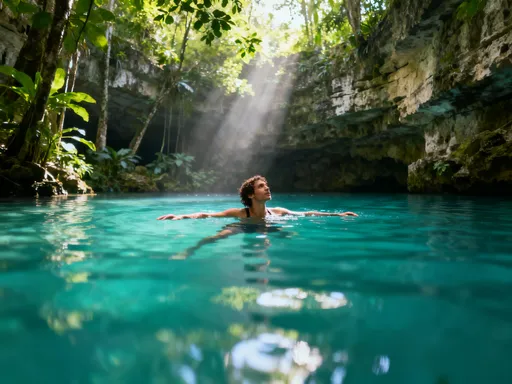
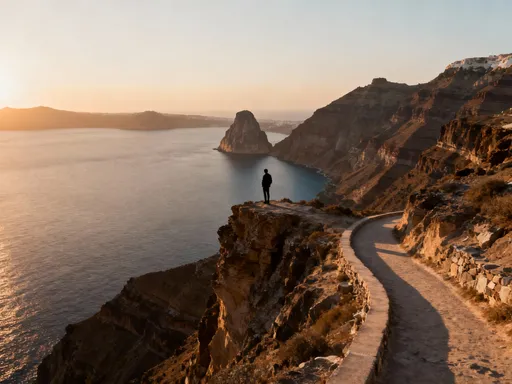
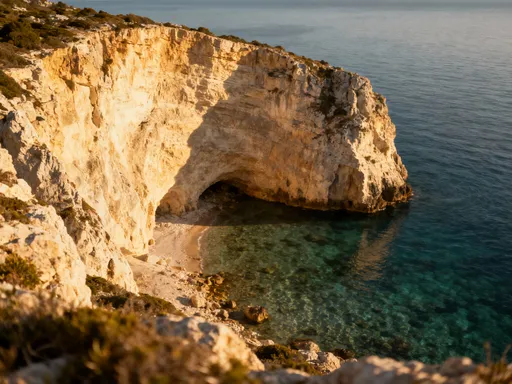
One of Monte Carlo’s best-kept secrets lies along its rugged shoreline, where dramatic limestone cliffs plunge into the deep blue Mediterranean. These formations, shaped over millennia by wind and wave, frame a series of hidden coves accessible only by foot, small boat, or a careful descent down narrow coastal paths. Unlike the crowded beaches of neighboring resorts, these secluded spots remain relatively untouched, offering solitude and crystal-clear waters ideal for swimming and quiet contemplation. Areas near Cap d’Ail, just across the border in France, and the less-visited stretches between Roquebrune-Cap-Martin and the eastern edge of Larvotto Beach, provide some of the most pristine coastal scenery in the region.
The geology of these cliffs tells a story of ancient seas and tectonic shifts. Composed primarily of limestone and dolomite, the rock faces are riddled with fissures and overhangs carved by centuries of erosion. These natural formations create microhabitats for specialized plant species and nesting seabirds, including the little owl and the kestrel, which can often be seen circling above the cliffs at dusk. The coves themselves, sheltered from strong currents, serve as nurseries for juvenile fish and safe resting points for migratory species. Snorkelers may spot damselfish, wrasse, and even the occasional octopus nestled among the rocks.
For visitors seeking a more active experience, several low-impact hiking routes offer panoramic views and direct access to these coastal wonders. The Sentier du Littoral, a well-marked coastal trail, winds along the shoreline with informational plaques detailing the local flora and fauna. Early morning or late afternoon hikes are ideal, avoiding the midday heat and offering the best light for photography. Comfortable walking shoes, sun protection, and plenty of water are essential, as shade is limited. While the trail is generally safe, visitors are advised to stay on designated paths to prevent erosion and protect fragile vegetation. These coves are not just scenic—they are ecologically sensitive, and their preservation depends on responsible exploration.
The Living Blue: Marine Life Beneath the Surface
Beneath the shimmering surface of Monte Carlo’s waters lies a vibrant underwater world, carefully protected and studied for over a century. The coastal waters off Monaco are part of a designated marine conservation zone, where strict regulations help preserve biodiversity and prevent overfishing. This protection has allowed ecosystems such as Posidonia seagrass meadows—often called the “lungs of the Mediterranean”—to thrive. These underwater meadows stabilize the seabed, provide oxygen, and serve as vital nurseries for countless marine species. Thanks to the pioneering work of the Oceanographic Institute of Monaco, founded by Prince Albert I in 1910, this marine environment is not only preserved but also deeply understood.
Snorkeling and diving in these waters offer a rare opportunity to witness this thriving aquatic life firsthand. Near the Rocher de Monaco, the submerged cliffs are covered in colorful sponges, sea squirts, and colonies of soft coral. Schools of barracuda, bream, and grouper move through the blue, while curious moray eels peek from rocky crevices. Seasoned divers may even encounter dolphins in deeper waters, though sightings are infrequent and always a matter of luck and patience. For those new to underwater exploration, several eco-certified diving centers in Monaco offer guided introductory dives with marine biologists who emphasize environmental awareness and responsible interaction.
The Oceanographic Museum, perched dramatically on a cliff, serves as both a research center and public education hub. Its aquarium showcases native species, including octopuses, cuttlefish, and endangered groupers, while temporary exhibits highlight global ocean conservation issues. Visitors learn how local efforts—such as artificial reef installations and invasive species monitoring—contribute to larger marine protection goals. The museum also promotes citizen science initiatives, inviting tourists and residents alike to participate in data collection during dives or beach walks. This blend of science, education, and public engagement underscores Monaco’s commitment to stewardship of the sea.
For eco-conscious travelers, the key is to observe without disturbing. Touching marine life, anchoring on seagrass beds, or removing shells and rocks are strongly discouraged. Even sunscreen can pose a threat; chemical filters like oxybenzone have been shown to damage coral and other organisms. Travelers are encouraged to use reef-safe, mineral-based sun protection and to carry reusable water bottles and bags to minimize plastic waste. By making mindful choices, visitors become part of the solution, helping to ensure that Monte Carlo’s marine wonders remain vibrant for generations to come.
Jardin Exotique: Where Nature Defies the Cliffs
Perched on a steep cliffside more than 100 meters above sea level, the Jardin Exotique de Monaco is one of the most extraordinary examples of how human design can enhance, rather than override, natural conditions. Established in 1933, this botanical garden spans over 14,000 square meters and is home to more than 700 species of succulents and drought-resistant plants from arid regions around the world, including agaves, aloes, and cacti. What makes this garden truly remarkable is its microclimate: the south-facing slope, combined with the warmth radiating from the limestone rock, creates ideal conditions for desert-like vegetation to flourish in the heart of the Mediterranean.
The garden’s terraced design is both functional and aesthetic. Stone walls retain heat during the day and release it at night, mimicking the temperature fluctuations of natural desert environments. This thoughtful landscaping reduces the need for irrigation, aligning with Monaco’s broader water conservation goals. Paths wind through sculptural plantings, offering shaded benches and breathtaking viewpoints at every turn. From the upper terraces, visitors can gaze across the Baie de Monte-Carlo, where the deep blue of the sea contrasts with the pale green and gray tones of the succulents. The effect is both serene and dramatic—a living tapestry of form and texture.
Beneath the garden lies another hidden wonder: a network of caves formed over 20 million years ago by seawater erosion. The Grottes de l’Observatoire are among the oldest geological formations in the region and contain fossils that provide clues to the area’s ancient marine past. Today, the caves house a scientific observatory and are open to the public through guided tours, offering a rare glimpse into the deep history of the land. This dual-layered experience—above ground, a garden of resilience; below, a fossilized record of time—makes the Jardin Exotique more than just a scenic spot. It is a place of education, reflection, and connection to the Earth’s enduring processes.
For families and older visitors, the garden is accessible via a funicular from the lower city, and signage throughout the site is informative without being overwhelming. Seasonal events, such as evening concerts and plant sales, add to its appeal, but the garden’s true magic lies in its quiet moments—watching a bee pollinate a flowering agave, or feeling the cool air rise from the cave entrance on a warm afternoon. It stands as a testament to what is possible when human creativity works in harmony with natural constraints.
Seasonal Shifts: When Nature Takes Center Stage
Monte Carlo’s natural beauty is not static; it shifts with the seasons, offering different experiences throughout the year. While summer draws the largest crowds, it is in spring and autumn that the principality’s landscapes truly come alive. From March to May, the rocky outcrops and coastal trails burst into color as wildflowers bloom—bright yellow rockroses, purple thistles, and delicate pink centaury paint the cliffs with seasonal vibrancy. The air is soft, the sea is calm, and migratory birds pass through on their way between Africa and northern Europe. This is an ideal time for hiking, photography, and quiet observation.
Autumn brings a different kind of beauty. As the summer heat fades, the light takes on a golden, almost painterly quality, especially at sunrise and sunset. The sea remains warm enough for swimming well into October, and the reduced number of tourists allows for more intimate encounters with nature. Olive trees along the hillsides begin to ripen, and local farmers prepare for the harvest, a tradition that continues in small pockets despite urbanization. Winter, though mild, brings increased rainfall, which nourishes the soil and sets the stage for the next spring’s blooms. Even in December and January, the gardens remain green, and the scent of myrtle and bay laurel fills the air after a rain.
Weather patterns also influence marine visibility and accessibility. Spring and early summer offer the clearest underwater conditions for snorkeling and diving, as plankton levels are lower and currents are gentler. Autumn, with its slightly cooler temperatures, is ideal for coastal walks and birdwatching. Local conservation groups often organize seasonal events during these quieter months, such as guided nature walks, tree planting, and beach clean-ups. These activities provide travelers with meaningful ways to engage with the environment and contribute to its preservation. Participating in a clean-up along the Larvotto shoreline, for instance, not only helps protect marine life but also fosters a deeper connection to the place.
For those planning a nature-focused visit, aligning travel with these seasonal rhythms enhances the experience. Early spring offers the best floral displays, while late autumn provides ideal conditions for exploration without the summer crowds. Regardless of the season, the key is to slow down and observe—nature here reveals itself gradually, in the flutter of a butterfly, the rustle of leaves in the wind, or the distant call of a seabird echoing over the cliffs.
Sustainable Exploration: How to Experience Nature Respectfully
Given Monte Carlo’s small size and fragile ecosystems, sustainable tourism is not just a recommendation—it is a necessity. Every footstep, every piece of litter, and every choice a visitor makes has an amplified impact in such a compact environment. The good news is that respectful exploration is both simple and rewarding. The first principle is to stay on marked trails. These paths are designed to minimize erosion and protect plant roots, especially on steep slopes where soil is thin and easily washed away. Straying from the trail may seem harmless, but repeated foot traffic can lead to long-term damage, particularly in areas with rare or slow-growing species.
Another critical practice is waste reduction. Single-use plastics—bottles, bags, food wrappers—are a major threat to marine life. Even a small piece of plastic can be mistaken for food by fish or seabirds, leading to injury or death. Travelers are encouraged to carry reusable items: a water bottle, a shopping bag, and a container for snacks. Many cafes and public fountains in Monaco offer free water refills, making it easy to stay hydrated without generating waste. When dining, choosing restaurants that source local, seasonal ingredients supports both the economy and the environment by reducing food miles and packaging.
Supporting eco-certified tours and guides is another way to ensure that your visit contributes positively. These operators follow strict environmental guidelines, limit group sizes, and educate participants about local ecosystems. Whether it’s a guided snorkeling tour, a botanical walk, or a visit to the Oceanographic Museum, choosing responsible providers makes a difference. Additionally, visitors should avoid feeding wildlife, touching marine organisms, or collecting natural souvenirs like shells or stones. These actions may seem small, but collectively, they help preserve the integrity of the environment.
Finally, awareness and education are powerful tools. Taking time to read informational signs, ask questions of local guides, or attend a museum exhibit deepens understanding and fosters respect. When travelers see themselves not as passive observers but as temporary stewards of the land and sea, their experience becomes more meaningful. In Monte Carlo, where luxury and nature coexist, the most luxurious choice may be the quiet one: to walk gently, observe deeply, and leave only footprints.
Reimagining Monte Carlo: A Destination for Nature Lovers
Monte Carlo is often seen through the lens of wealth and spectacle, but this perspective overlooks a deeper truth: the principality is also a sanctuary of natural beauty and ecological care. From the hidden coves along its rocky coast to the thriving marine life beneath the waves, from the cliffside gardens to the seasonal rhythms of the Mediterranean, Monte Carlo offers a rich, layered experience for those willing to look beyond the surface. It is a place where luxury does not dominate nature but, in many ways, protects and highlights it.
The journey from glitz to green is not about rejecting Monte Carlo’s famous elegance, but about expanding our understanding of what makes it special. The same attention to detail that defines its hotels and gardens extends to its environmental policies and conservation efforts. The result is a destination that balances human achievement with natural wonder, proving that even in the most urbanized settings, nature can thrive when given the chance.
For the 30- to 55-year-old traveler—often a woman managing a busy household, seeking both relaxation and meaning—Monte Carlo offers a rare combination: beauty, tranquility, and purpose. A morning walk along the coastal trail, a quiet moment in the Exotic Garden, or a snorkeling adventure in protected waters can be both restorative and inspiring. These experiences remind us that luxury is not only found in material things, but in clean air, clear water, and the simple joy of being present in a living landscape.
As we reimagine Monte Carlo, we are invited to reimagine travel itself—not as consumption, but as connection. By choosing to explore responsibly, to learn from what we see, and to protect what we love, we become part of a larger story of care and continuity. Monte Carlo, in all its quiet majesty, stands as a model of how elegance and ecology can coexist. And in that balance, we find not just a destination, but a deeper way of being in the world.