You Won’t Believe These Hidden Gems in Addis Ababa – A Must-See for Every Traveler
Addis Ababa isn’t just Africa’s diplomatic capital—it’s a treasure chest of culture, color, and craftsmanship. As someone who wandered its markets and side streets, I was blown away by the unique goods hiding in plain sight. From handwoven textiles to spicy coffee blends, this city offers more than meets the eye. If you're looking for authentic souvenirs that tell a story, Addis won’t disappoint. Let me take you through the real deal.
First Impressions: Why Addis Ababa Stands Out
Addis Ababa, meaning 'New Flower' in Amharic, blooms with a rhythm all its own. Perched over 2,300 meters above sea level, it is not only Ethiopia’s largest city but also the headquarters of the African Union and numerous international organizations. This dual identity—political hub and cultural heart—gives the city a unique energy. Unlike tourist-centric destinations that cater to postcard-perfect expectations, Addis Ababa reveals itself slowly, through daily life, local interactions, and sensory richness. The air carries the scent of roasting coffee, the hum of Amharic conversations, and the distant rhythm of traditional music drifting from a neighborhood gathering.
What sets Addis apart is its authenticity. There are no polished facades meant solely for visitors; instead, travelers encounter real neighborhoods where people live, work, and celebrate. Women in bright *netela* scarves walk past street vendors selling injera ingredients, while artisans craft wooden crosses outside small family-run workshops. The city does not perform for tourists—it simply exists, proudly and unapologetically. This lack of commercialization is precisely what makes it so rewarding for those who seek meaningful travel experiences.
For the thoughtful traveler, especially women between 30 and 55 who value cultural depth and personal connection, Addis offers more than sightseeing. It invites participation. Whether sharing a coffee ceremony with a local family or browsing hand-stitched textiles in a community market, the experience feels intimate and respectful. The city’s warmth isn’t just in its highland climate—it’s in the way people engage, smile, and welcome curiosity. In a world where many destinations feel increasingly homogenized, Addis Ababa stands as a refreshing reminder of what travel can truly be: a journey into the soul of a place.
Mercato Market: The Heartbeat of Local Commerce
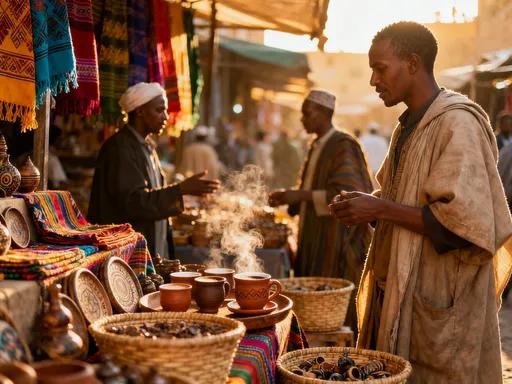
If Addis Ababa has a pulse, it beats strongest in Mercato. One of the largest open-air markets in Africa, this sprawling labyrinth covers several square kilometers and hums with relentless activity from dawn until dusk. More than just a shopping destination, Mercato is a living ecosystem of trade, tradition, and resilience. Vendors sell everything from fresh produce and spices to clothing, household goods, and religious artifacts. It’s a place where generations of families have worked, where bartering is an art form, and where every corner holds the potential for discovery.
Walking through Mercato is an immersive experience. Sections are loosely organized by product type, though navigation requires a blend of observation and intuition. In one alley, mountains of red *berbere* spice fill burlap sacks, their heat almost visible in the air. Nearby, bolts of handwoven cotton—some plain, others embroidered with symbolic patterns—drape over wooden racks. Jewelry stalls display silver crosses and amber beads, each piece carrying spiritual or cultural significance. Elsewhere, craftsmen sell hand-forged tools, leather sandals, and intricately carved wooden bowls, all made using techniques passed down through decades.
For visitors, especially first-time travelers, navigating Mercato can feel overwhelming. Yet with a few practical tips, it becomes not only manageable but deeply rewarding. It’s best to visit in the morning when vendors are restocking and the pace is slightly calmer. Wearing comfortable shoes is essential, as the market requires extensive walking on uneven surfaces. Carrying a small bag and keeping valuables secure helps maintain peace of mind. Most importantly, approaching the market with respect—smiling, asking permission before photographing, and engaging vendors with courtesy—opens doors to richer interactions.
Bargaining is expected, but it should be done gently and with a sense of fairness. A simple smile and polite gesture often go further than aggressive negotiation. Many vendors appreciate genuine interest in their products, and conversations about the origins of a scarf or the uses of a particular spice can turn a transaction into a meaningful exchange. Some of the most memorable finds—like a hand-embroidered table runner or a set of small brass bells used in religious processions—come not from haggling hard, but from listening and connecting.
Artisan Crafts: Where Tradition Meets Creativity
Beyond the bustling lanes of Mercato, Addis Ababa is home to a quiet but powerful movement of artisans preserving Ethiopia’s rich craft heritage. These creators work with materials and methods that have been refined over centuries, producing items that are both beautiful and deeply symbolic. Among the most cherished are textiles like *shemma* cloth and *netela* scarves, which are woven from cotton and often adorned with delicate woven borders called *tibeb*. These garments are more than fashion—they are markers of identity, worn during holidays, religious ceremonies, and family milestones.
The patterns and colors used in Ethiopian textiles are far from arbitrary. White often represents purity and peace, while bold stripes or geometric designs may reflect regional affiliations or spiritual beliefs. In some communities, specific motifs are believed to offer protection or blessings. When travelers purchase these pieces, they aren’t just acquiring fabric—they’re carrying home a fragment of cultural memory. Visiting small workshops in neighborhoods like Kazanchis or Sidist Kilo offers a chance to see the weaving process firsthand, from spinning the thread to the final stitching.
Another iconic craft is the hand-carved wooden cross, a staple in Ethiopian Orthodox Christian homes and churches. Crafted from olive or sycamore wood, these crosses feature intricate filigree patterns and are often carried by individuals as personal devotional objects. Artisans spend days perfecting each piece, using only simple tools and immense patience. Some workshops operate as cooperatives, ensuring fair wages and sustainable practices. By supporting these small studios, travelers contribute directly to the preservation of cultural traditions and the economic well-being of local families.
For women who appreciate handmade quality and storytelling through objects, these crafts offer a profound connection to Ethiopia’s soul. Unlike mass-produced souvenirs, each item bears the mark of its maker—the slight variation in weave, the unique grain of the wood, the care in every stitch. When displayed in a home abroad, they become conversation starters, invitations to share the story of Addis Ababa’s living heritage.
Coffee Culture: More Than Just a Drink
In Ethiopia, coffee is not a commodity—it is a ritual, a symbol of hospitality, and a cornerstone of daily life. The traditional *jebena buna*, or coffee ceremony, is a cherished practice found in homes, workplaces, and community spaces across Addis Ababa. Lasting up to an hour, the ceremony involves roasting green coffee beans over a small charcoal stove, grinding them with a mortar and pestle, and brewing the coffee in a clay pot called a *jebena*. The rich aroma fills the room as incense burns, creating an atmosphere of warmth and connection.
For visitors, being invited to a coffee ceremony is one of the highest honors. It signifies trust and welcome. The process unfolds in three rounds—*abol*, *tona*, and *baraka*—each with increasing strength and spiritual significance. The third round, *baraka*, means 'blessing,' and to decline it is considered impolite. Sharing coffee in this way fosters conversation, strengthens relationships, and slows down time in a city that often moves quickly.
Travelers can experience authentic coffee ceremonies in local cafes such as Bunna Cafe or Tomoca Coffee, some of the oldest in the city. These spaces offer a respectful introduction to the tradition while supporting Ethiopian-owned businesses. More intimate experiences can be arranged through cultural tours or homestays, where families open their homes to share this sacred ritual. The coffee itself—typically from regions like Yirgacheffe, Sidamo, or Harrar—is floral, bright, and complex, unlike any commercial blend.
Bringing home Ethiopian coffee is one of the most meaningful souvenirs a traveler can choose. Buying directly from local roasters or cooperatives ensures freshness and supports fair trade practices. Beans are often sold in simple cloth bags, sometimes labeled with the region and harvest date. To preserve flavor, it’s best to grind the beans just before brewing and use traditional methods like a French press or pour-over. More than just a morning beverage, this coffee becomes a daily reminder of Addis Ababa’s generosity and depth.
Spices and Natural Products: A Feast for the Senses
No visit to Addis Ababa is complete without exploring its vibrant spice culture. The city’s markets overflow with aromatic blends that form the backbone of Ethiopian cuisine. *Berbere*, a fiery mix of chili peppers, garlic, ginger, fenugreek, and korintje cinnamon, is the soul of dishes like *doro wat* and *misir wat*. *Mitmita*, another popular blend, combines bird’s eye chilies with cardamom and cloves, offering a sharp, citrusy heat often used with raw meat dishes or as a condiment.
Visiting a spice stall is a multisensory experience. Vendors scoop powders from large containers, releasing clouds of fragrance with every movement. Many sellers are happy to explain the ingredients and their uses, offering small samples or pairing suggestions. Some even prepare mini-cooking demonstrations, showing how a pinch of *niter kibbeh*—spiced clarified butter—can transform a simple stew. For travelers who love to cook, these spices are treasures, allowing them to recreate authentic Ethiopian flavors at home.
Beyond the kitchen, Addis Ababa offers a range of natural skincare products rooted in traditional knowledge. *Niger seed oil*, locally known as *nug*, is prized for its moisturizing and anti-inflammatory properties. Often blended with essential oils or shea butter, it is used to nourish dry skin and promote hair health. These products are typically made in small batches by women’s cooperatives, ensuring ethical production and community benefit.
Purchasing spices and natural goods supports sustainable agriculture and local entrepreneurship. Unlike imported cosmetics or processed foods, these items reflect Ethiopia’s biodiversity and culinary wisdom. They also make thoughtful gifts—personal, useful, and rich with story. Whether packaged in handmade paper or reusable cloth, they embody the spirit of mindful consumption, a value many women travelers hold dear.
Modern Boutiques & Design Hubs: The New Face of Ethiopian Style
While tradition runs deep in Addis Ababa, a new generation of designers is redefining what Ethiopian style looks like. Blending ancestral techniques with contemporary aesthetics, these creatives are building a vibrant fashion and design scene that honors the past while embracing the future. Found in neighborhoods like Bole and Gerji, modern boutiques showcase everything from hand-dyed silk dresses to upcycled leather bags, all made with intention and care.
One notable trend is the rise of concept stores that curate pieces from multiple local artists. Places like Hudad Design or Lucy Fashion House offer a carefully selected mix of clothing, jewelry, and home goods, often highlighting sustainable practices. Many designers use organic cotton, natural dyes, and traditional weaving methods, ensuring that modern fashion does not come at the cost of cultural or environmental integrity. Labels often include information about the artisans involved, creating transparency and connection.
Pop-up markets and design fairs have also gained popularity, providing platforms for young creatives to showcase their work. These events, often held in cultural centers or open-air venues, draw both locals and visitors. They are lively, inclusive spaces where innovation thrives. For example, a recent exhibition featured hand-painted *netela* scarves with modern motifs, merging spiritual symbolism with urban artistry. Another designer transformed discarded coffee sacks into stylish totes, combining recycling with national pride.
Supporting these emerging brands is more than a shopping choice—it’s an investment in Ethiopia’s creative future. Many designers are women leading small teams, employing other women, and reinvesting in their communities. By choosing to buy from them, travelers help sustain a movement that values quality, ethics, and authenticity over mass production. These pieces, whether a minimalist silver pendant or a bold printed dress, carry the spirit of a city evolving with grace and purpose.
Traveler’s Guide: How to Shop Like a Local
To make the most of a shopping journey in Addis Ababa, a little preparation goes a long way. The best time to visit markets like Mercato is early in the morning, between 7:00 and 9:00 a.m., when vendors are setting up and the air is cooler. Weekdays tend to be less crowded than weekends, though Friday and Saturday mornings still offer a lively atmosphere without the midday rush. For a more relaxed experience, consider hiring a local guide who knows the market’s layout and can facilitate introductions to trusted artisans.
When it comes to payment, cash is king. While some modern boutiques accept cards, most market vendors work exclusively in Ethiopian birr. It’s wise to carry small denominations for bargaining and tips. ATMs are available in central areas, but it’s best to withdraw cash during business hours and in secure locations. Always keep money in a secure pouch or inner pocket to avoid loss or theft.
Bargaining is a normal and expected part of market culture, but it should be done with respect. Start by asking the initial price, then offer about 60–70% of that amount. A smile and a polite tone will get you further than aggressive negotiation. If a vendor refuses your offer, it’s okay to walk away—sometimes they will call you back with a better price. Remember, the goal is a fair exchange, not winning a deal at the vendor’s expense.
Comfort is key when shopping. Wear breathable clothing and sturdy, closed-toe shoes. A reusable tote bag is ideal for carrying purchases, especially fragile items like coffee beans or handmade ceramics. Sunscreen, a hat, and a small water bottle are also recommended, as the highland sun can be strong even on cloudy days.
Beyond Mercato, several neighborhoods offer excellent shopping opportunities. Bole is known for its modern malls and designer boutiques. Kazanchis has a mix of traditional markets and artisan workshops. Gerji is emerging as a creative hub, home to galleries, design studios, and cultural centers. Exploring these areas provides a well-rounded view of Addis Ababa’s evolving retail landscape.
When traveling home, consider how to transport delicate or bulky items. For fragile goods like hand-carved crosses or glass incense burners, wrap them in soft clothing inside your suitcase. Coffee and spices can be sealed in vacuum bags to preserve freshness and prevent spills. If purchasing large textiles, ask the seller for advice on folding and packing. Most importantly, check airline regulations regarding weight and liquid restrictions to avoid surprises at the airport.
Conclusion: Why These Treasures Matter Beyond Souvenirs
The true value of what you find in Addis Ababa extends far beyond the item itself. Each textile, spice jar, coffee blend, and handmade cross carries a story—of a weaver’s hands, a farmer’s harvest, a family’s tradition. When travelers choose to buy directly from artisans and local markets, they participate in a cycle of dignity and respect. They support livelihoods, preserve cultural knowledge, and affirm the worth of handmade, meaningful work in an increasingly automated world.
For women who travel not just to see, but to understand and connect, Addis Ababa offers a rare opportunity. It invites you to slow down, to listen, to engage with people on their terms. The city does not offer shortcuts or curated illusions. Instead, it rewards curiosity, kindness, and intention. The souvenirs you bring home become more than decorations—they become emblems of a journey that mattered.
As you explore this vibrant capital, remember that the greatest treasures are not always the most obvious. They are found in quiet workshops, shared rituals, and unexpected conversations. They are in the scent of roasting coffee, the weight of a handwoven shawl, the warmth of a vendor’s smile after a fair deal. Addis Ababa’s wealth is not in its monuments, but in its people—their creativity, resilience, and open hearts.
So travel deeply. Buy thoughtfully. Carry home not just things, but stories. Let your journey be one of connection, not consumption. And when you sip that cup of Ethiopian coffee in your kitchen months from now, may you remember the hands that grew it, roasted it, and shared it with you—with grace, with pride, and with hope.