How I Found Hidden Gains in Culture-Fueled Markets
What if your next investment isn’t in tech or real estate—but in art, festivals, or local heritage? I used to overlook cultural consumption as just entertainment—until I saw how cities were monetizing traditions, museums, and creative districts. This shift isn’t just about spending; it’s reshaping market opportunities. Let me walk you through how culture is quietly fueling returns, what risks to watch, and where smart money is quietly flowing. Behind the charm of handcrafted pottery markets and historic theater revivals lies a growing economic force—one that blends passion with profit in ways many investors still underestimate. The cultural economy is no longer a niche. It’s a measurable, expanding sector where authenticity meets demand, and where early insight can lead to lasting gains.
The Quiet Rise of Cultural Consumption
Cultural spending has evolved from a personal luxury into a significant economic driver, reshaping how cities generate revenue and attract investment. What was once seen as discretionary—visiting a museum, attending a folk festival, or buying artisanal goods—is now part of a broader shift in consumer behavior. People are increasingly drawn to experiences that feel authentic, rooted in place, and rich in story. This isn’t just nostalgia; it’s a response to the impersonal nature of mass-produced goods and digital overload. As urbanization accelerates and lifestyles become more fast-paced, there’s a growing desire for meaning, connection, and identity in everyday choices. This demand has turned culture into a scalable industry, one where local traditions are being reimagined as sustainable businesses.
The shift is supported by measurable trends. In recent years, global spending on cultural experiences—ranging from heritage tourism to live performances—has outpaced inflation and, in some regions, even general consumer spending. Cities like Lisbon, Kyoto, and Charleston have demonstrated how preserving and promoting local culture can drive economic revitalization. In these places, restored historic buildings house creative studios, traditional crafts are sold through curated marketplaces, and annual festivals draw both domestic and international visitors. These activities don’t just enhance quality of life—they create jobs, increase property values, and generate tax revenue. The cultural economy is no longer a side benefit of urban development; it is becoming a core strategy.
What makes this trend particularly compelling for investors is its resilience. Unlike sectors driven purely by technology or speculation, cultural assets often benefit from deep community ties and enduring appeal. A well-maintained heritage district, for example, doesn’t lose relevance overnight. Its value is tied not just to physical infrastructure but to intangible qualities—story, memory, and continuity. When managed with care, these assets can appreciate steadily over time. Moreover, the rise of experiential consumption means people are willing to pay a premium for access to unique cultural moments, whether it’s a behind-the-scenes tour of a restored opera house or a limited-edition textile from a local weaver. This shift in values—from ownership to experience—creates new revenue streams that are both recurring and defensible.
Mapping the New Market Landscape
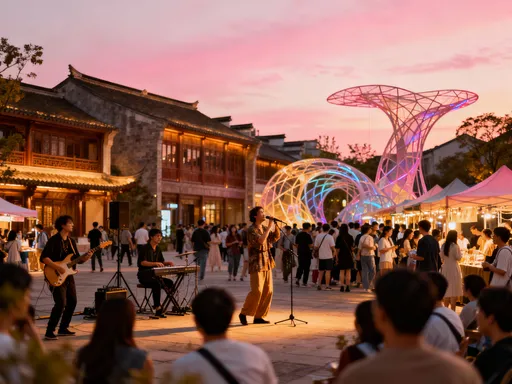
The cultural economy extends far beyond galleries and concert halls. Today, it includes digital content platforms, heritage tourism, creative co-working spaces, and even cultural real estate developments. This expansion has been enabled by technology, changing consumer preferences, and strategic public-private partnerships. One of the most visible transformations is the revitalization of historic districts into mixed-use commercial hubs. In cities across Europe and North America, former industrial zones or neglected neighborhoods are being repurposed into cultural corridors where art studios, boutique shops, and performance spaces coexist. These areas attract foot traffic, boost local businesses, and increase surrounding property values—making them attractive not just to visitors but to investors.
Digital platforms have further broadened the reach and profitability of cultural assets. Online marketplaces now allow artisans and performers to sell directly to global audiences, bypassing traditional intermediaries. Streaming services offer access to curated cultural content—from traditional music to documentary series on indigenous crafts—creating subscription-based revenue models that were previously unavailable. Meanwhile, virtual and augmented reality technologies are being used to enhance museum experiences, allowing institutions to monetize digital exhibitions and remote tours. These innovations reduce geographic limitations and open new monetization paths, making cultural investments more scalable than ever before.
Public-private collaboration plays a crucial role in this landscape. Municipal governments often provide grants, tax incentives, or zoning flexibility to support cultural projects that align with urban renewal goals. In return, private investors gain access to below-market-rate leases, co-development opportunities, or long-term management contracts. For example, a developer might rehabilitate a historic theater in exchange for operating rights, while the city benefits from job creation and increased tourism. These partnerships reduce individual risk and increase the likelihood of long-term success. When structured properly, they create a shared incentive to preserve cultural value while generating financial returns.
Another emerging segment is cultural co-working spaces—venues that combine studio space, retail, and event hosting for creatives. These hubs serve as incubators for small cultural enterprises, from independent designers to local food producers. By offering flexible leases and shared resources, they lower entry barriers and foster collaboration. For investors, leasing to such tenants can provide stable rental income with lower vacancy risk, as these spaces often cultivate loyal communities. Additionally, cultural tenants tend to enhance the appeal of a property, attracting visitors and increasing foot traffic for adjacent businesses. This network effect amplifies value across entire districts, turning cultural investment into a catalyst for broader economic growth.
Where the Real Returns Begin
Not all cultural ventures generate strong financial returns. While many projects are driven by passion, only a subset possess the operational discipline and market demand to deliver consistent profits. The key to identifying high-potential opportunities lies in assessing scalability, revenue stability, and audience engagement. Certain formats have proven more successful than others, particularly those that combine repeatable programming with community loyalty. Subscription-based art clubs, for instance, have emerged as a reliable model in several mid-sized cities. Members pay an annual fee for access to exclusive exhibitions, workshops, and artist talks, creating predictable cash flow and high retention rates. These clubs often operate in adaptive reuse spaces—converted warehouses or historic buildings—keeping overhead low while enhancing the cultural appeal.
Festival franchises in secondary cities represent another promising niche. Unlike one-off events, franchised festivals follow a proven format that can be replicated across regions with localized content. A music or food festival that succeeds in one city can be adapted to another with similar demographics and cultural affinities. This model reduces marketing costs and accelerates audience growth, as brand recognition carries over. Revenue comes not only from ticket sales but also from sponsorships, vendor fees, and merchandise—diversifying income streams and improving profitability. When managed efficiently, such festivals can achieve break-even within two to three years and generate double-digit returns thereafter, especially when supported by municipal partnerships or tourism boards.
Another source of stable returns is cultural real estate with long-term tenants. Properties leased to museums, performance groups, or heritage organizations often benefit from multi-year contracts, providing income visibility. Unlike retail or office spaces, which face higher turnover, cultural tenants tend to stay longer, especially when their operations are tied to specific facilities or community presence. Additionally, these tenants often contribute to property upkeep and programming, reducing management burdens. For investors, this translates into lower operational risk and steady yield. In some cases, such properties also qualify for tax abatements or preservation grants, further improving net returns.
The strongest indicators of success in cultural investing are not just popularity but sustainability. Projects that rely on one-time grants or viral attention are vulnerable to disruption. In contrast, those with diversified revenue, engaged audiences, and clear operational models are more likely to endure. Community involvement is particularly important—venues that actively involve local residents in programming decisions tend to build stronger loyalty and resilience. This grassroots support acts as a buffer during economic downturns, ensuring continued attendance and patronage. For investors, this means looking beyond surface appeal and assessing the underlying business fundamentals of any cultural venture.
Balancing Passion with Practicality
Investing in culture can feel deeply personal. Many are drawn to projects that reflect their values, heritage, or aesthetic preferences. While this emotional connection can be a strength, it also poses a risk—when passion overrides financial discipline. History is filled with well-intentioned backers who lost money on cultural ventures that looked inspiring but lacked viable business models. A beautifully restored theater may host breathtaking performances, but if ticket sales don’t cover operating costs and there’s no plan for ancillary revenue, it becomes a financial drain. The challenge is to honor cultural integrity while applying rigorous investment principles.
One common pitfall is oversaturation. In some cities, the number of art fairs, food festivals, and pop-up markets has grown so rapidly that audiences are spread thin. Events that once drew large crowds now struggle for visibility and attendance. Without differentiation or strong branding, even well-run festivals can fail to generate sufficient revenue. Regulatory changes also pose risks. Zoning laws, noise ordinances, or permitting requirements can shift unexpectedly, disrupting operations or increasing costs. A street festival that relied on city permits for years may suddenly face new restrictions or fees, undermining its financial model. Investors must assess not only current conditions but also the stability of the regulatory environment.
Public sentiment is another variable. Cultural trends evolve, and what feels relevant today may lose appeal in a few years. A craft brewery that capitalized on the localism movement, for example, may struggle if consumer tastes shift toward non-alcoholic or health-focused alternatives. Similarly, heritage tourism can decline if a destination becomes overcrowded or loses its authenticity. These shifts are not always predictable, but investors can mitigate risk by focusing on projects with adaptable programming and diversified offerings. A cultural center that hosts both traditional performances and contemporary workshops, for instance, is better positioned to evolve with changing tastes.
Diligence is essential. Before committing capital, investors should examine audience loyalty, local support, and exit options. Is there a waiting list for memberships or tickets? Do local businesses benefit from the project’s presence? Can the venue or intellectual property be transferred or repurposed if needed? These questions help separate sustainable ventures from fleeting attractions. Real-world examples show that even high-profile cultural investments can fail without proper planning. A notable case involved a private investor who funded a luxury arts complex in a mid-sized city, only to find that the target demographic was too small to sustain operations. Despite critical acclaim, the project closed within five years due to insufficient revenue. The lesson is clear: emotional appeal must be matched with economic reality.
Smart Entry Points for Savvy Investors
You don’t need millions to participate in the cultural economy. There are several accessible strategies that allow smaller investors to benefit from this growing sector without taking on excessive risk. One effective approach is crowdfunding creative spaces. Platforms dedicated to cultural projects enable individuals to contribute modest amounts in exchange for rewards, equity, or revenue sharing. These campaigns often focus on restoring historic buildings, launching community theaters, or supporting local artists. By pooling resources, investors gain exposure to projects that might otherwise be out of reach, while spreading risk across multiple ventures.
Leasing to cultural tenants is another low-volatility strategy. Real estate owners can convert underutilized properties—such as vacant storefronts or industrial lofts—into spaces for artists, makers, or performance groups. These tenants typically offer lower rental rates than commercial chains but provide other benefits: longer lease terms, lower turnover, and enhanced neighborhood appeal. In some cases, landlords structure leases to include a percentage of event revenue, creating upside potential. This model works particularly well in neighborhoods undergoing gentrification or cultural revitalization, where foot traffic and property values are on the rise.
Backing IP-driven content is a third entry point. Instead of funding entire productions, investors can support the development of intellectual property—such as documentary films, digital archives, or educational series on traditional crafts. These assets can generate long-term royalties through licensing, streaming, or merchandising. For example, a film documenting a regional music tradition might be licensed to educational platforms or broadcast networks, creating recurring income. Because production costs are often lower than large-scale events, this approach offers a favorable risk-reward balance. It also allows investors to support cultural preservation while earning returns.
The key to success at this level is alignment with larger trends. Rather than chasing isolated opportunities, investors should look for models that tap into enduring shifts—like the demand for authenticity, experiential learning, or local economic empowerment. Projects that serve both cultural and community needs tend to be more resilient and scalable. By focusing on measurable milestones—such as audience growth, revenue diversification, or partnership development—small investors can track progress and make informed decisions. Over time, these incremental gains can compound into significant wealth, especially when reinvested wisely.
Navigating Regulation and Long-Term Viability
Cultural projects often depend on permits, subsidies, or public approval, making regulatory awareness a critical part of investment due diligence. Zoning laws, for example, determine whether a historic building can be used for performances, retail, or mixed purposes. A change in local policy could restrict operations or require costly modifications. Similarly, noise ordinances may limit event hours, affecting revenue potential. Investors must understand not only current regulations but also the political climate and planning priorities of the municipality. A city committed to cultural development is more likely to offer stable conditions and supportive policies.
Tax incentives and government grants can enhance returns, but they should not be treated as guaranteed income. Many cultural ventures rely on public funding during early stages, but these sources can be unpredictable. Budget cuts, leadership changes, or shifts in policy focus may reduce or eliminate support. Savvy investors treat subsidies as a supplement, not a foundation. They build financial models that are viable even without public funding, ensuring sustainability under various scenarios. At the same time, they remain alert to opportunities—such as historic preservation tax credits—that can improve net yields when available.
Long-term viability also depends on adaptability. A cultural venue that remains rigid in programming may lose relevance as tastes evolve. The most resilient projects are those that preserve core identity while embracing innovation. A traditional dance company, for instance, might incorporate modern choreography or digital storytelling to attract younger audiences. A heritage museum could launch interactive exhibits or online courses to expand reach. These adaptations maintain authenticity while ensuring continued engagement. For investors, this means supporting leadership teams that balance tradition with forward-thinking strategy.
Sustainability also involves community integration. Projects that actively involve residents—through advisory boards, volunteer programs, or local hiring—build stronger social capital. This support network can be invaluable during challenges, whether financial, regulatory, or reputational. It also enhances the project’s legitimacy, making it more likely to receive public backing when needed. Ultimately, long-term success in cultural investing is not just about financial metrics but about creating shared value that endures across generations.
Building a Resilient Cultural Portfolio
Diversification is a cornerstone of sound investing, and it applies just as well to cultural assets as it does to stocks or real estate. A resilient portfolio blends different types of cultural investments—live events, digital content, physical venues, and intellectual property—each with its own risk and return profile. This mix reduces exposure to any single point of failure. If a festival season is disrupted by weather or policy changes, revenue from digital archives or licensing agreements can help offset losses. Similarly, a downturn in tourism may affect heritage sites, but demand for online cultural experiences might rise simultaneously, balancing the impact.
The goal is not quick flipping but long-term stewardship. Cultural assets often appreciate slowly, gaining value through consistent programming, community trust, and brand recognition. Patience is essential. Reinvesting early returns—into maintenance, marketing, or talent development—strengthens the foundation and compounds future gains. This approach treats culture not as a commodity but as an ecosystem, where each element supports the others. A thriving performance space, for example, attracts artists who inspire local education programs, which in turn cultivate future audiences and donors.
Investors who adopt this mindset position themselves to benefit from both financial and societal returns. They contribute to the preservation of heritage, the empowerment of creatives, and the revitalization of communities—all while building wealth. The most successful cultural investors are not just financiers but partners, engaging with operators, artists, and local leaders to ensure sustainability. They understand that value is created not in isolation but through collaboration.
The cultural economy is no longer a hidden corner of the market. It is a dynamic, growing sector where passion and prudence can coexist. Returns are not guaranteed, and risks must be managed, but for those who look beyond the surface, there are real opportunities to earn while enriching society. As consumer values continue to shift toward meaning and authenticity, the demand for cultural experiences will only deepen. Smart investors are already moving—not with speculation, but with strategy, aligning their capital with the enduring power of culture.